






A Real Talk From A Former Exclusive Pumping Mom
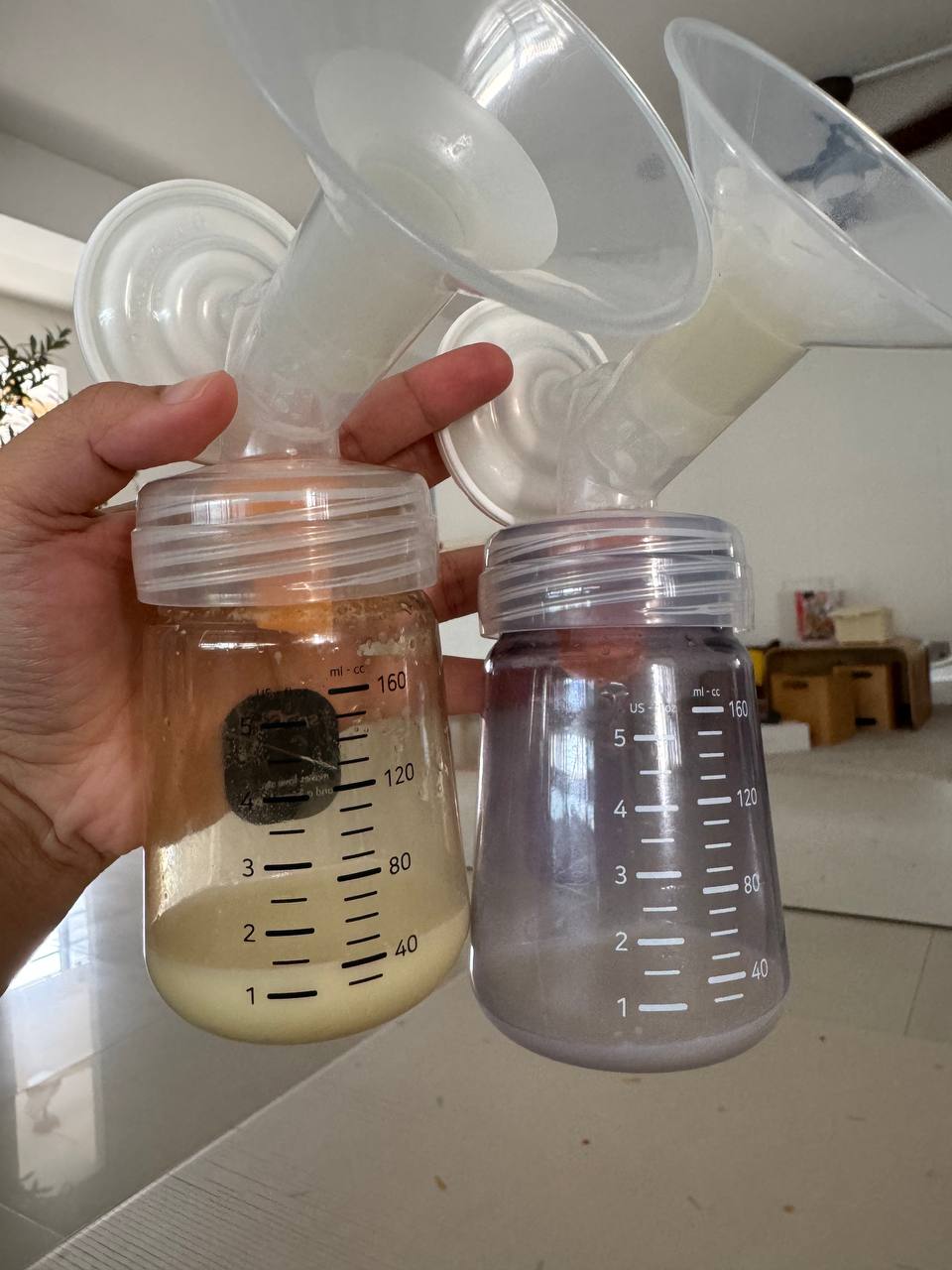
When I was exclusively pumping, I measured my confidence in milliliters.
I knew my “normal” numbers. I knew what a good morning session looked like. I knew when a bottle felt full enough to calm my anxiety. And if one session came out lower than usual, I did not just feel disappointed. I felt scared.
"Is my milk supply dropping"
“Did I do something wrong?”
“Did I wait too long between sessions?”
“Am I not eating enough?”
Looking back now, with my child already 3 years old and long weaned, I realize how much emotional weight I attached to pump output. I truly believed the bottle was telling me the full truth about my milk supply.
It was not.
And I wish someone had sat me down gently and explained that pumping output and total milk supply are not the same thing.
When you are in the thick of exclusive pumping, especially if you are tracking every session, it feels like the number in the bottle is the only data you have. But milk production does not work in such a narrow, session by session way.
How Milk Production Actually Works And Why The Bottle Can Mislead You
Milk supply is regulated mainly by demand and removal over time. Not one pump session. Not one random afternoon. Not one tired night.
The Centers for Disease Control and Prevention explains that milk production depends on how often milk is removed and how effectively it is removed. The more consistently milk is taken out, the more signals your body receives to continue producing.
Hormones such as prolactin support milk production, while oxytocin controls the letdown reflex. Both of these are influenced by patterns and emotional state, not just mechanics.
La Leche League also emphasizes that milk production works on a supply and demand system. It is responsive. It adjusts gradually. It looks at trends across days and weeks.
But when I was pumping, I was not thinking in weeks. I was thinking in 20 minute sessions.
I remember one evening clearly. I pumped and the bottle looked lower than usual. My brain immediately went into problem-solving mode.
Should I power pump tonight?
Should I add an extra session?
Should I start worrying?
At the same time, my baby was completely fine. Content. Good diaper output. Growing well at checkups. But emotionally, I trusted the bottle more than the real life indicators.
That disconnect is common among pumping moms.
Another thing I did not fully understand at the time is that babies are often more efficient than pumps. Even though I was mostly EP, there were occasional direct feeds. And every time my baby latched, I could physically feel a stronger, faster letdown than when I was attached to my pump.
Stanford Medicine explains that babies compress the breast in ways pumps cannot fully replicate. Babies adjust suction, rhythm, and pressure in real time. A pump runs on programmed cycles. It cannot read your body the way your baby can.
So if you ever pumped 70 ml and thought that was all you had, that number does not automatically reflect your true milk producing capacity. It reflects how that specific pump session went under those specific conditions.
And conditions matter more than we realize.
A letdown response alone can dramatically change output. Oxytocin is highly sensitive to stress. If you are anxious, rushing, dehydrated, or distracted, letdown may take longer. The milk might be there. It just might not flow immediately.
I used to sit there staring at the bottle, waiting for milk to start spraying. The more I stared, the more tense I got. The less milk came. On days when I relaxed, leaned back, or looked at photos and videos of my baby, letdown happened faster.
The milk was not gone. My body just needed safety and calm to release it.
Flange fit also changed my output. When I finally switched to the correct size, I saw a noticeable difference. Not because my supply magically increased overnight. But because milk removal became more efficient.
The time of day made a difference too. Morning sessions were usually higher due to natural hormone patterns. Evening sessions were often lower. That is normal.
Stress level. Hydration. Time since last session. Even how tired I was. All of it influenced what ended up in the bottle.
And yet, I treated that one number like a verdict.
One small shift that helped my mindset was using a silicone breastmilk collector on the opposite side during pumping or the rare times I directly latched. Before that, I would leak letdown into breast pads and not think much about it.
Once I started collecting that passive flow, I realized my body was producing more than what my main pump bottle showed.
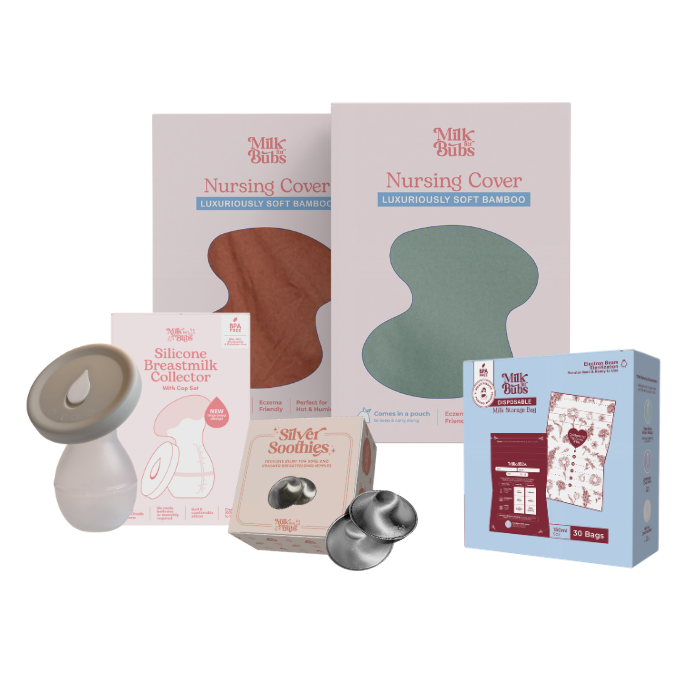
Seeing that additional milk collected naturally made me feel less pressured to force output from the pump. It felt like I was working with my body instead of constantly testing it. A good silicone breastmilk collector, like the one from Milkforbubs, is soft, gentle, and catches letdown effortlessly without complicated setup. It does not replace pumping. It simply prevents you from losing milk that your body is already releasing.
And for an EP mom who already feels like everything is measured and clinical, that small win matters mentally.
Over time, I stopped evaluating my milk supply based on one session. I started looking at bigger indicators instead. My baby’s weight gain. Wet diapers. Overall feeding patterns. My weekly pumping averages instead of single sessions.
Milk supply is regulated over days and weeks. Not one bottle. Not one stressful pump. Not one emotional evening.
If you are currently exclusively pumping and feeling discouraged by a lower number in the bottle today, please know this. That number is one data point.
It is not your full story. It does not cancel out weeks of consistent milk removal. It does not erase your body’s ability to respond to demand.
Years from now, you will not remember that one session that made you cry. You will remember how consistently you showed up. How you cleaned parts half asleep. How you scheduled your day around pumping. How you kept going even when you doubted yourself.
Your milk supply is built on patterns. On frequency. On removal over time. On hormones that respond to consistency, not panic.
And the bottle cannot measure all of that.
Sources
1. Centers for Disease Control and Prevention
How Milk Production Works
https://www.cdc.gov/breastfeeding/php/about-breastfeeding/how-milk-production-works.html
2. La Leche League International
How Milk Production Works
https://llli.org/breastfeeding-info/how-milk-production-works/
3. Stanford Medicine
Hand Expression and Milk Transfer Guidance
https://med.stanford.edu/newborns/professional-education/breastfeeding/hand-expression.html