







I learned early as an exclusive pumping mom that the milk we think is getting used is not always the same as the milk that actually reaches a bottle.
For weeks, I wondered why my stash did not match my effort, even though my feeds and pump sessions seemed normal.
The answer turned out to be simple but surprising: small amounts of milk leak during letdown or while nursing, and those half-ounce moments really do add up over days and weeks.
Understanding where that milk goes, why it leaks, and how to capture it without adding work changed how I managed my stash and made me feel less like I was losing ground.
Why Milk Leaks Happen
Milk leaks happen for many reasons.
Letdown is a reflex triggered by oxytocin that moves milk into the ducts and toward the nipple. Often the opposite breast will leak when the baby is feeding or when the pump is running on the other side.
Some moms have a strong or forceful letdown and that increases leakage. Other common reasons include breasts that are very full before a feed, cluster feeding sessions, hormonal surges, or even simple triggers like hearing your baby cry.
Leaking tends to be most noticeable in the early weeks for many people and often becomes less frequent as feeding patterns settle, but patterns vary. These are points that experienced lactation organizations regularly explain and explore.
Those Small Amounts Add Up
A half ounce does not sound like much, but if you lose half an ounce during a single feed and your baby feeds six times a day, that becomes three ounces a day and more than 20 ounces a week.
Over a month, those little amounts can equal several bottles.
For parents who are building a freezer stash or relying on pumped milk while working, those ounces matter.
Once I realized the cumulative effect, I started treating leakage as a potential supply rather than an inevitable loss.
Small behavior changes and a few simple tools made a measurable difference for me.
How Leaking Often Goes Unnoticed
There are a few common scenarios in which milk vanishes without any obvious signs.
If you are nursing on one side and not using a pad or collector on the other side, the milk wets a bra or soaks a nursing pad and disappears.
If you are pumping with one pump and no catcher on the opposite breast, letdown there can cause small drips that slip into clothing.
Sleep feeds can leak into bedding without anyone noticing.
In public, many parents wear absorbent pads and assume leakage is managed, but pads can hide cumulative ounces that could have been saved. For exclusive pumping parents like I was at first, letting those drips escape into a pad was the default until I learned to catch them.
Practical guidance and cautionary notes about collectors and shells are offered by breastfeeding organizations, and they are worth reading if you plan to collect regularly.
Simple, Low Effort Ways to Save Those Ounces
Making small changes rather than overhauling your routine worked best for me. The following steps are what I actually did and what I recommend if you want results without extra stress.
1) Wear a Collector or Reusable Pads
Wear absorbent reusable pads or a shallow collector while nursing or pumping so the opposite side can be caught instead of soaked into fabric. Use one that is comfortable and easy to seal or empty.
2) Use a Collector During Cluster Feeding
Try a collector during predictable cluster feeding windows. If you expect several letdowns in a row, placing a collector on the non feeding breast will catch multiple small letdowns at once.
3) Label Milk Immediately
Label immediately. When a collector has milk, put a date and approximate ounces on it before placing it in the fridge or pouring it into your storage bag for the freezer. Small administrative steps make the collected milk actually usable later.
4) Watch for Blocked Ducts or Oversupply
Be careful with breast shells and long-term continuous collectors if you have signs of blocked ducts or oversupply, because some devices can aggravate those problems for certain people.
If you have recurring pain or blocked ducts, get a professional opinion before using a new device habitually. Practical cautions such as these are part of standard breastfeeding guidance.
These steps took almost no extra time and they turned leakage from invisible loss into recoverable ounces. I kept a small funnel and storage bags in my feeding kit so I could pour and label on the spot. It felt clumsy at first and then normal after a few uses.
If you are nursing on one side and not using a pad or collector on the other side, the milk simply wets a bra or soaks a nursing pad and disappears.
A Simple Tool That Used to Save My Letdown Milk
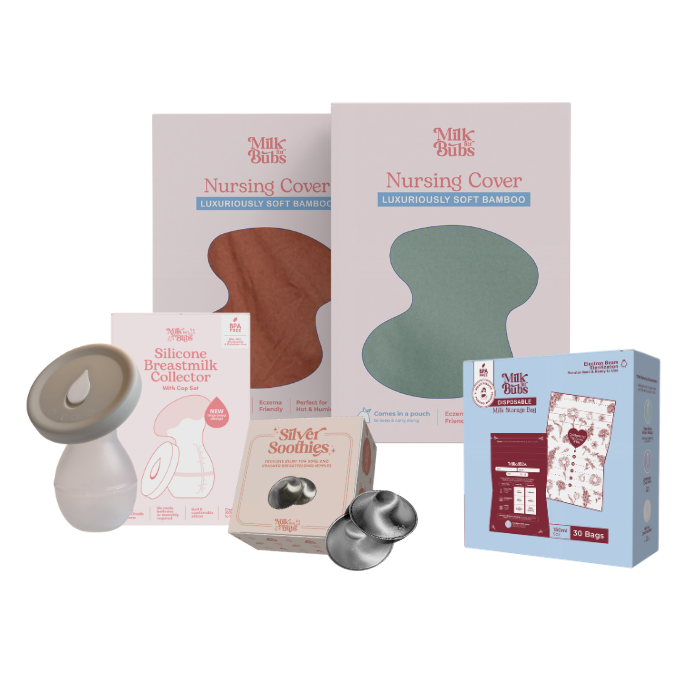
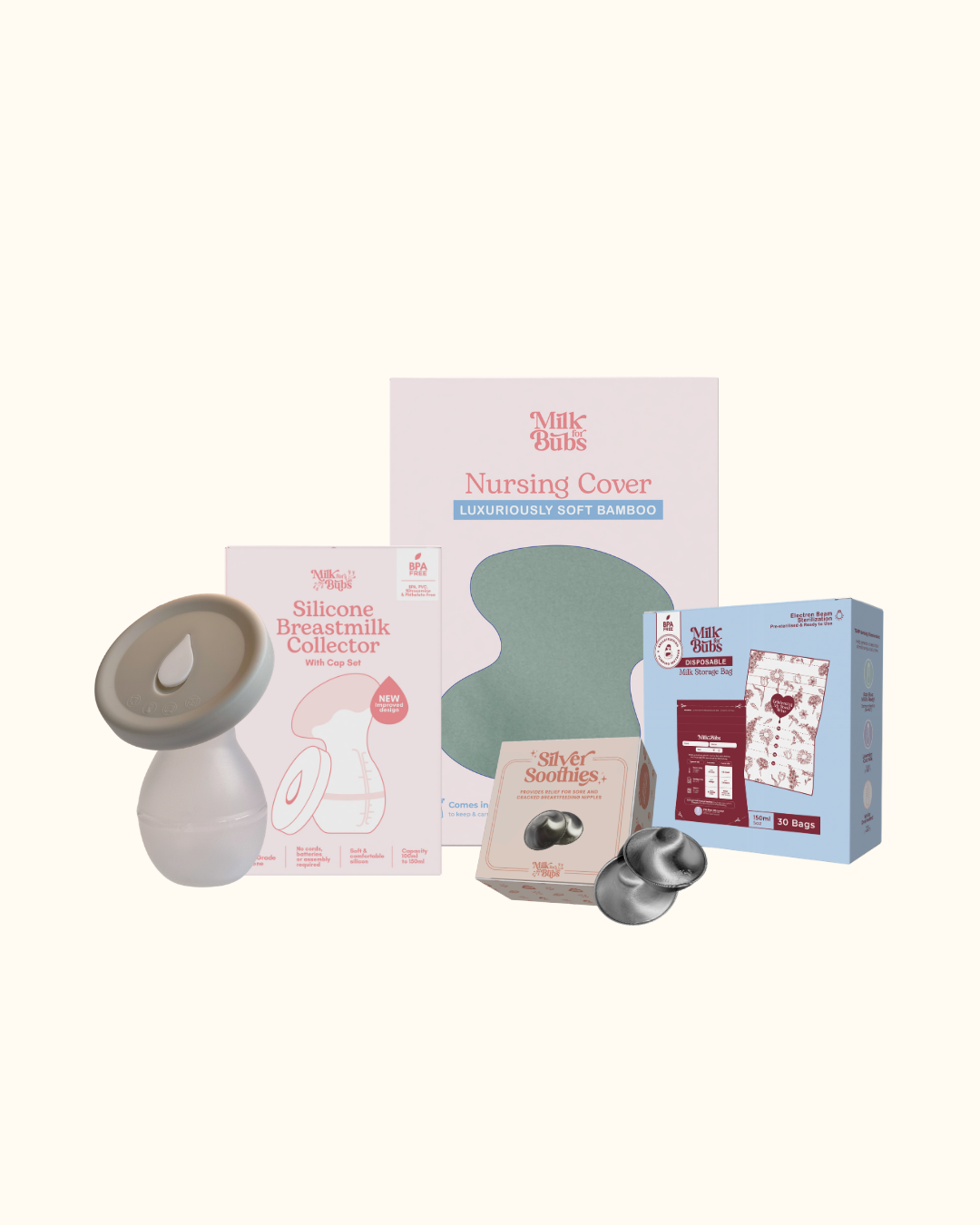
One small change that made a big difference for me was using a soft silicone collector on the opposite breast while nursing or during pump sessions.
I liked it because it felt gentle, it suctions softly so I did not have to hold it, and it has a stopper so I could quickly seal and later pour into a storage bag.
It never felt like adding more work; it simply caught what was being released and would otherwise have been absorbed by a pad or gone to waste.
For days when my breasts were tight or letdown felt delayed, a few minutes of gentle massage or a short burst with the lactation massager helped circulation and made collection more productive without any pressure.
Use a collector mindfully and follow cleaning guidance so the milk you saved stays safe and ready to use.
I know some clinicians caution against using certain collectors long-term if you have problems with clogged ducts or oversupply, so if you notice recurrent lumps or pain check in with a lactation consultant.
In my case, the collector was a practical habit that complemented good pumping technique, a sensible rotation system for my freezer stash, and attention to how much milk I was actually producing each day.
Collecting small amounts during letdown changed my relationship with those tiny losses. What once felt like unavoidable waste became a reliable trickle that contributed to bottles and to my peace of mind.
Sources:
1. La Leche League International — overview of oversupply, forceful letdown, and leaking. (La Leche League Canada)
2. KellyMom — practical breastfeeding and milk production guidance, including how leaking often changes over time. (KellyMom.com)
3. Australian Breastfeeding Association — clear, practical advice on leaking breasts and safe management including cautions about certain collectors. (Australian Breastfeeding Association)